
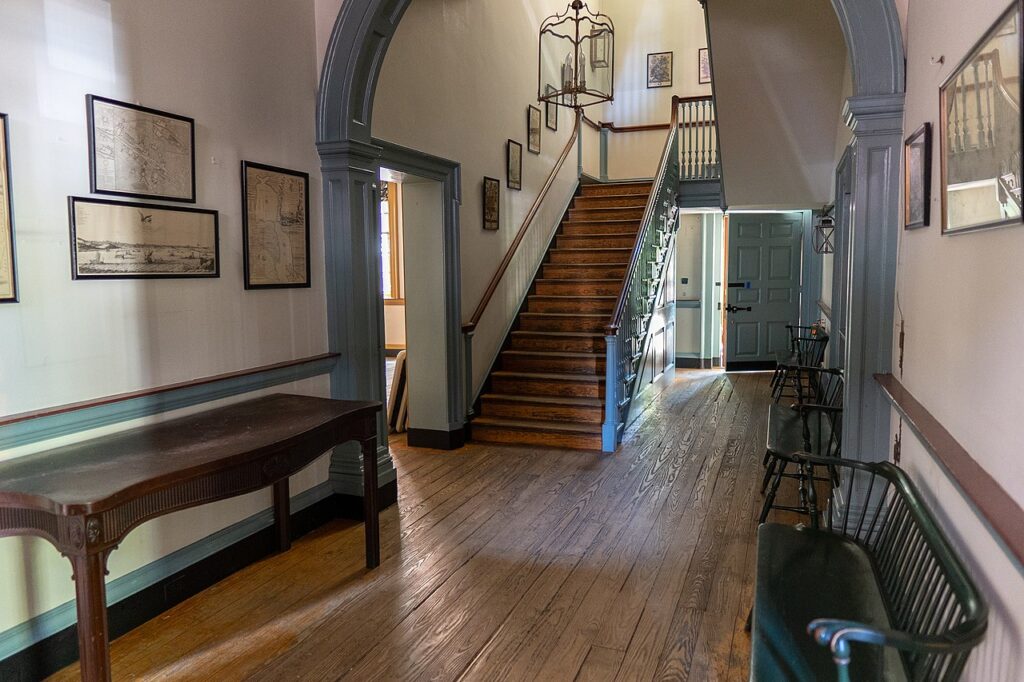
In Chapter 10 of Carrying Independence, Silas Hastings waits in the elegant confines of City Tavern, observing the fine dining around him while nursing a simple pint of cider. This scene captures perfectly what made Revolutionary War taverns the beating heart of 18th-century American life. Far more than places to eat and drink, these establishments served as unofficial town halls, business centers, post offices, and the primary venues where colonists from all walks of life gathered to share news, debate politics, and forge the relationships that would ultimately birth a nation.

A Staggering Number of Gathering Places
The sheer number of taverns in colonial Philadelphia tells us everything about their importance to daily life. In 1776, there were more than 120 taverns, inns, and “ordinaries” in Philadelphia—not counting the illegal serving houses that operated without licenses. With an estimated population between 30,000 and 40,000 people, that amounts to roughly one licensed drinking establishment for every 250-300 residents. By comparison, modern Philadelphia has about one bar for every 1,000 residents, making colonial Philadelphia far more tavern-dense than today’s city.
This incredible density of taverns reflected their essential role in colonial society. Taverns filled multiple functions that we can barely imagine today. They served as the restaurant, the meeting house, the hotel, the post office, and the entertainment venue all rolled into one. If you wanted to read the latest newspapers, hear local gossip, conduct business, or simply socialize with both friends and strangers, the tavern was your destination.
How Colonial Taverns Actually Functioned
Colonial taverns operated on a model that might seem foreign to modern bar-goers. Most served meals at fixed times around large communal tables, where strangers were expected to sit together and make conversation. The menu was limited—often just one option per meal—and prices were regulated by local governments. Travelers shared sleeping quarters, sometimes even beds, making privacy a luxury few could afford.
The tavern keeper held enormous social influence in their community. They were typically among the best-known people in town, often serving as postmaster since taverns functioned as unofficial post offices where letters and packages were collected and distributed. The keeper’s establishment was the busiest in town, and they made it their business to know every patron. Colonial tavern keepers were notoriously inquisitive, always eager to learn about their guests’ business and news from other towns.
The Changing Politics of Colonial Hospitality
One of the most fascinating aspects of colonial taverns was how they navigated the increasingly tense political atmosphere as revolution approached. In the early 1770s, many taverns served both colonists and British soldiers without issue. The White Horse Tavern in Newport, Rhode Island, for example, quartered both Loyalist and British troops during the British occupation of Newport during the American Revolution, especially during the Battle of Rhode Island in the summer of 1778.
However, as tensions escalated, tavern keepers found themselves forced to choose sides. When the British occupied Philadelphia in 1777, City Tavern’s innkeeper Daniel Smith welcomed them with open arms, and the tavern became the center for British officer recreation, including elaborate balls where local Tory women were entertained. But when the Continental Army reoccupied the city in 1778, Smith fled to England, understanding that his loyalty to the Crown had made him unwelcome in the new America.
This political shift reflected a broader transformation in tavern culture. What had once been neutral ground gradually became polarized, with patriot and loyalist taverns serving as organizing centers for their respective causes. The famous Green Dragon Tavern in Boston became known as “the headquarters of the Revolution” because the Sons of Liberty met there regularly, and it was where the Boston Tea Party was planned.
Women: The Unsung Operators of Colonial Taverns
One of the most surprising aspects of colonial tavern culture was the significant role women played as operators. In certain areas, up to 40 percent of taverns were operated by women, especially widows. Local magistrates, who had to award licenses before a tavern could operate, actually preferred widows who knew the business and might otherwise become a burden to the county if left impoverished.
Right here in Philadelphia, we see this pattern perfectly illustrated. Mary House owned and operated the House Inn on Second Street, just two blocks from the State House where the Declaration of Independence was signed. Her inn became a respected political hub, frequented by founding fathers who stayed there during their service in the Continental Congress. Mary’s daughter, Eliza House Trist, helped run the inn and it was there that she met Thomas Jefferson, forming a friendship that would last for decades. (In 2024, Mary House was recognized as an official “Patriot” by the Daughters of the American Revolution.) The House Inn demonstrates how women’s business acumen and hospitality skills made them natural tavern operators, even as society generally excluded them from other forms of commerce.
The Culinary Connection
The food served in colonial taverns varied dramatically by location and clientele. City Tavern, which catered to Philadelphia’s elite, offered what John Adams described as the “most genteel tavern in America” with fine wines and elaborate fare during the First Continental Congress. The tavern specialized in elegant dishes that would have included turtle soup, venison, elaborate meat pies, and imported delicacies that showcased the wealth and sophistication of its patrons. Of course, all this fine dining was accompanied by equally impressive libations—copious amounts of Madeira wine, rum punches, and ale that no doubt helped democratic discourse flow as freely as the spirits themselves.
However, this luxury existed alongside stark inequality. While businessmen and delegates feasted at establishments like City Tavern, common citizens struggled to afford basic bread in the markets. Many taverns provided glasses of rum for just a penny to alleviate the miseries of Philadelphia’s poor, highlighting the economic disparities that existed even as revolutionary ideals of equality were being debated just blocks away.
Modern food historians like Walter Staib, who recreated colonial cuisine when he operated the reconstructed City Tavern, have helped us understand what colonists actually ate. His research and cookbook work, featured in his television series A Taste of History, have revealed how tavern fare reflected local ingredients, seasonal availability, and the complex trade networks that brought exotic spices and imported goods to America’s tables.
The Tavern as Democracy’s Cradle
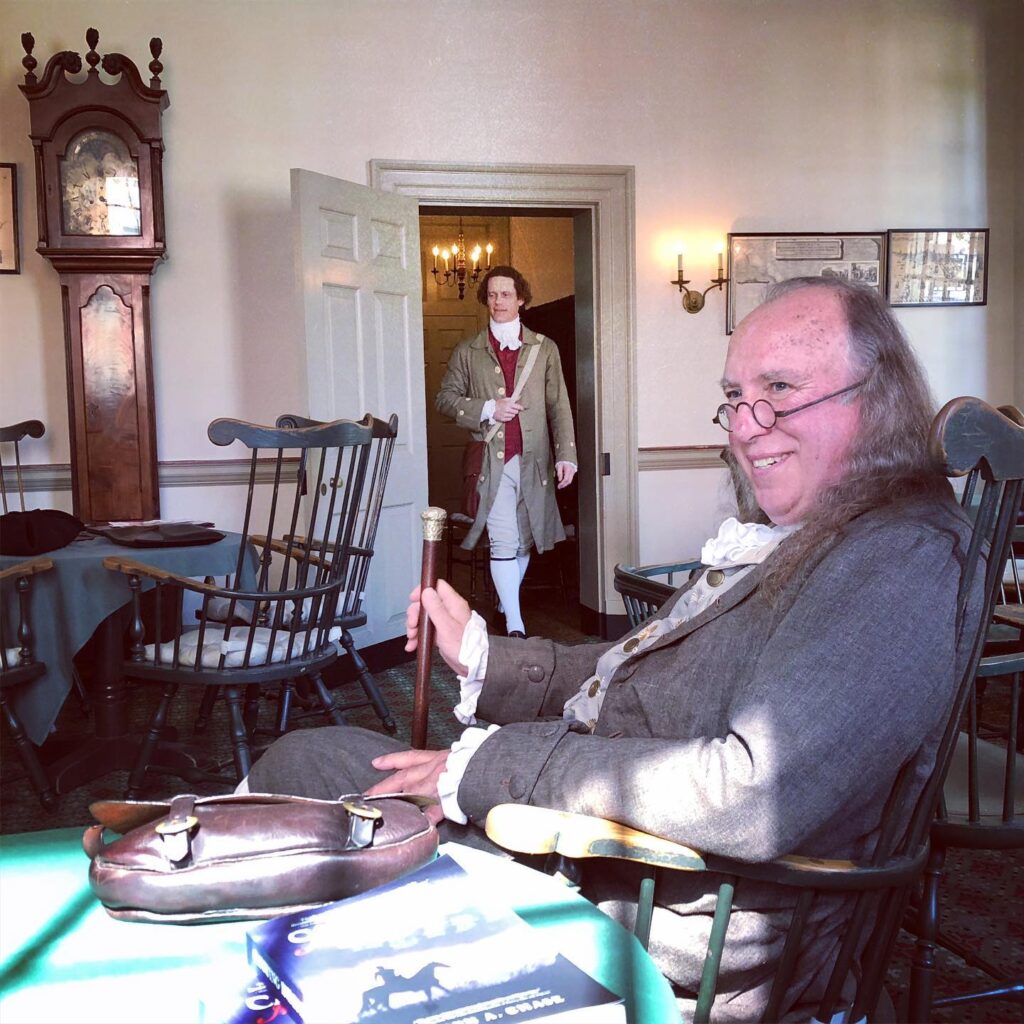
Perhaps most importantly, colonial taverns served as early laboratories for democratic ideals. Churches or government buildings where hierarchies were strictly observed. Taverns were among the few colonial spaces where social mixing occurred across class lines. While the wealthy might dine upstairs in private rooms, the common room below buzzed with conversation between merchants, artisans, laborers, and travelers.
This mixing of social classes created unique opportunities for the exchange of ideas. Literate patrons would read newspapers aloud to their illiterate neighbors, spreading news and political opinions throughout the community. Debates about taxation, representation, and rights played out nightly around tavern tables, gradually building the consensus that would support revolution.
The tavern’s role in fostering democratic discourse cannot be overstated. These were spaces where ordinary colonists could voice their opinions and hear different perspectives. They could participate in the political conversations that were shaping their future. In many ways, the democratic ideals that would define America were not just debated in formal halls of government. They were lived and practiced in the everyday interactions that took place in taverns across the colonies.
When Silas Hastings sits in City Tavern in Chapter 10, he is observing the diners around him and plotting his schemes. He’s positioned in the perfect location to understand the pulse of revolutionary Philadelphia. The tavern wasn’t just a setting—it was the very foundation upon which American society was being built. One conversation at a time.
Read the full novel, Carrying Independence, by purchasing an autographed copy. This deep dive focuses on chapter 10 of the novel, which I am serializing for America250 via substack. Read for free here.
#CityTavern #RevolutionaryWar #AmericanRevolution #ColonialPhiladelphia #FoundingFathers #TavernHistory #America250 #PhiladelphiaHistory #ColonialLife #CarryingIndependence