
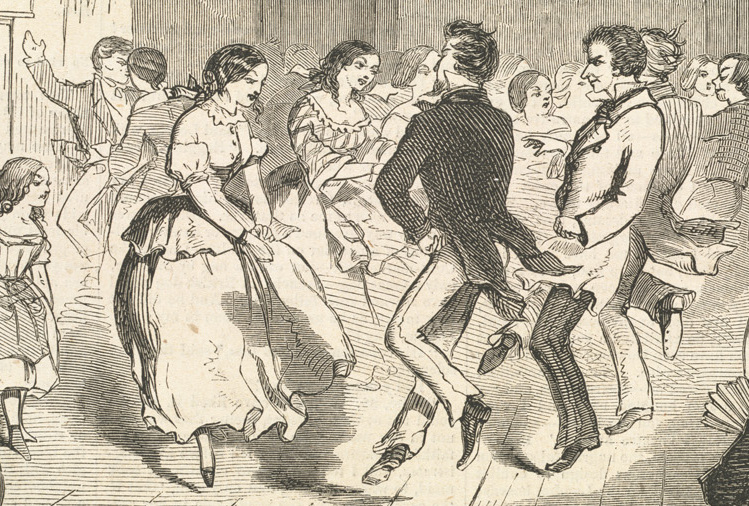
 Imagine if your dating life depended entirely on how well you could navigate a complex series of steps while dozens of people watched your every move. Welcome to colonial courtship during the Revolutionary War, where the ballroom was both battlefield and proving ground for matters of the heart.
When Feet Did the Talking
In Revolutionary War America, courtship dances weren’t just entertainment—they were elaborate social negotiations wrapped in silk and set to music. The way you moved, whom you danced with, and which dances you chose revealed everything about your social status, romantic intentions, and even your political leanings.
The contradance that Nathaniel and Susannah share in Carrying Independence perfectly captures this delicate balance. As Susannah cleverly explains to her smitten partner, the contradance was revolutionary in more ways than one. Unlike the formal French minuet, which kept couples of different social classes from dancing together, the contradance democratically mixed all participants.
The Minuet: Dancing with Your Own Kind
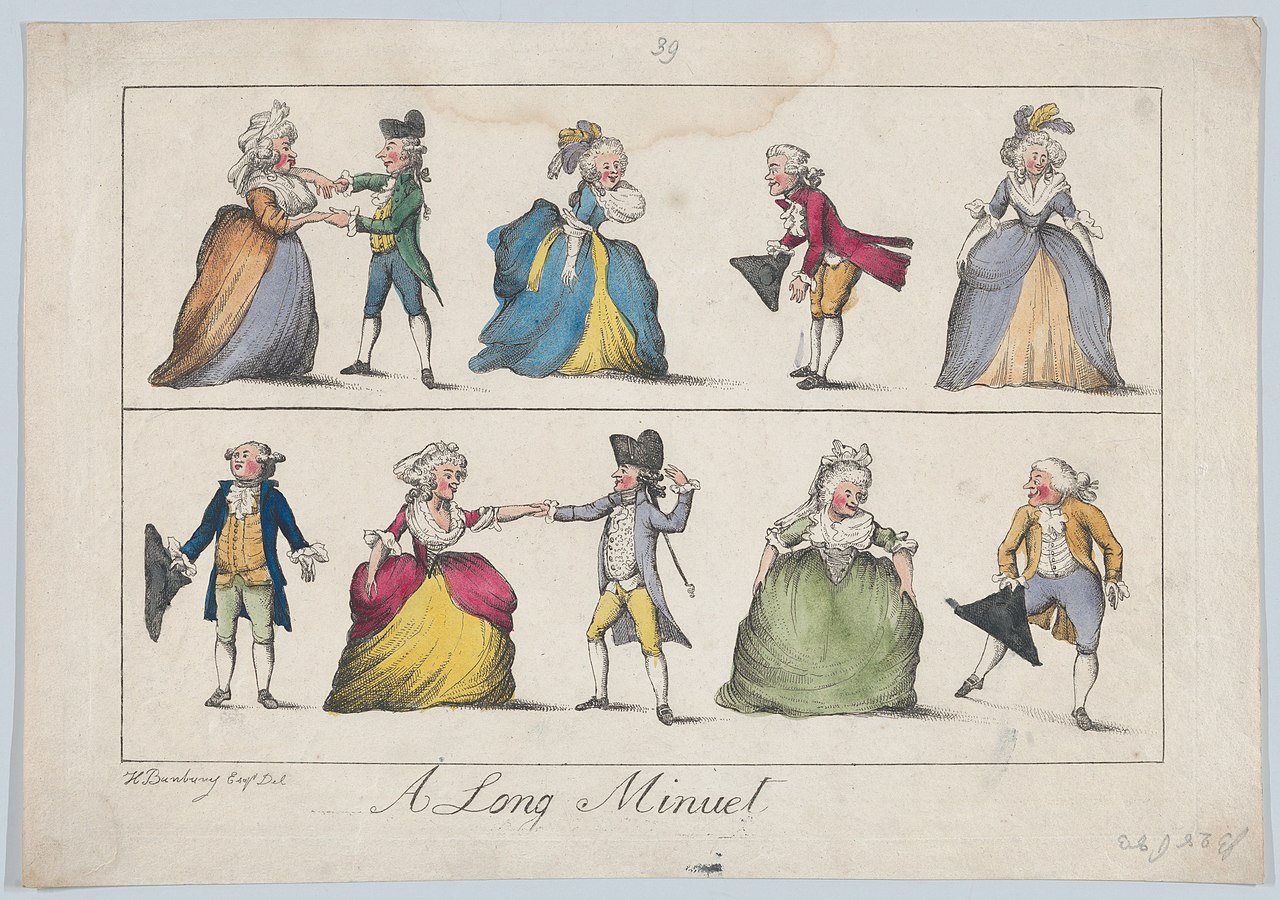
The minuet represented everything aristocratic about European society. This elegant dance required extensive training, perfect posture, and careful attention to complex footwork. Most importantly, it was performed by only one couple at a time while everyone else watched—rather like a performance piece where your social grace was on full display.
Colonial families of means ensured their children learned proper minuet steps. The dance served as a public demonstration of good breeding and education. When you danced the minuet, you weren’t just moving to music—you were announcing your family’s social position and your own marriageability.
The Contradance: Democracy in Motion
The English contradance changed everything. This lively group dance required partners to constantly switch, meaning a blacksmith’s son might find himself briefly partnered with a merchant’s daughter. Contra dances were fashionable in the United States and were considered one of the most popular social dances across class lines in the late 18th century, and unlike the minuet, country dances did not reinforce the established social hierarchy—in fact, they were democratic. The contradance created what Susannah calls “democratic” moments where social barriers temporarily dissolved.
The egalitarianism of country dance had reached its zenith during the Revolution, with the social mixing that had been a feature of the longways set in country dances allowing people of different backgrounds to interact in ways that would have been impossible in more formal settings. These dances featured long lines of couples facing each other, with intricate patterns that sent dancers weaving up and down the set. The music was faster, the steps more energetic, and the whole experience more communal. Instead of performing for an audience, everyone participated together.
A Modern Author’s Discovery
Wanting to learn exactly what a contradance was like so I could write this scene faithfully, I learned to do it myself. In my own town, I found a Regency-era contra dance group, and the experience taught me things no research could convey.
While democratic, I also learned two important things about this dance. First, it was a serious workout. Colonial balls were often all-night affairs that could last from seven in the evening until dawn, with guests attending all day and through most of the night, and many celebrations continuing three to four days. Individual country dances could go on for extended periods since they were described as “everlasting” because fresh dancers frequently cut in to continue until the musicians were exhausted.
Second, the democratic partner-switching could be uncomfortable if you were paired repeatedly with someone of questionable hygiene or unpleasant behavior. Dancing in the 18th century was a good way to discover if a partner had sound teeth, pleasant breath, good bearing, and was generally healthy—which meant the opposite was equally discoverable! The enforced intimacy of the contradance meant you couldn’t always escape an undesirable partner quickly.
Reading Between the Dance Steps
Colonial courtship required young people to become masters of subtle communication. A squeeze of gloved fingers during a turn, maintaining eye contact longer than propriety suggested, or requesting a second dance all carried meaning. The ballroom became a place where emotions could be expressed through carefully orchestrated movement. It was a place where women especially could express feeling through movement—an important asset when writing female 18th century characters.
Parents closely watched these interactions. A young man who danced too often with the same young lady might find himself facing questions about his intentions. Young women learned to use their fans, their glances, and their dance card choices to encourage or discourage suitors.
When Revolutionary War Meets Romance
The shift from minuet to contradance mirrors the larger Revolutionary movement sweeping through the colonies. Just as Americans were rejecting British aristocratic traditions in politics, they were embracing more democratic forms in their social lives.
The contradance’s emphasis on changing partners and shared participation reflected emerging American values of equality and community cooperation. When Nathaniel tells Susannah he prays “democracy will sweep the colonies forevermore,” he’s responding to both her explanation of the dance and the larger political moment they’re living through.
The Jane Austen Connection
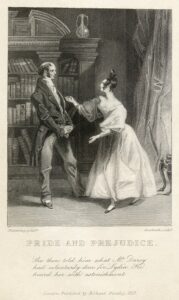 I’m a Jane Austen fan, and so the dance scenes in Carrying Independence deliberately echo the romantic tension we see in Jane Austen’s novels and their film adaptations. Why? Austen understood that ballrooms were theaters of emotion—a place where glances, touches, and movements conveyed what words could not.
The 2005 Pride and Prejudice film famously uses the dance between Elizabeth Bennet and Mr. Darcy to show their attraction despite their social differences. Similarly, Nathaniel and Susannah’s contradance becomes a metaphor for their ability to connect across class lines—even as larger forces work to keep them apart.
The Music of Democracy
Colonial dance music evolved alongside the social changes. While minuet melodies were formal and restrained, contradance tunes were often based on popular folk songs that everyone knew. Fiddles replaced harpsichords, and musicians encouraged audience participation.
The six-eight time signature that Susannah mentions created a lilting, energetic rhythm that made the contradance feel more like a celebration than a formal exhibition. This musical democracy meant that anyone who could keep time could participate, regardless of their formal training.
Beyond the Ballroom
The social lessons learned in colonial dance halls extended far beyond courtship. Young people practicing contradances were literally rehearsing democratic participation—learning to work together, share leadership, and adapt to changing patterns while maintaining harmony with the group.
These skills served them well when the Revolutionary War required colonists to work together across traditional social boundaries. The same spirit that made the contradance appealing prepared Americans for the collaborative effort of building a new nation.
The ballroom taught other valuable lessons too. Young people learned to read social cues, navigate complex etiquette, and present themselves effectively in public settings. These abilities proved essential whether you were courting a spouse or courting political support.
Modern Echoes
Today’s dating apps and social media have replaced dance cards and calling hours, but the fundamental challenges remain the same. How do we signal romantic interest? How do we navigate social differences? How do we balance personal desire with family expectations?
Colonial courtship dances remind us that romance has always required careful choreography. The steps may change, but the human need to connect, impress, and find love through shared movement continues across centuries.
The democratic spirit of the contradance lives on in contemporary social dancing, from swing dancing to salsa nights, where strangers become temporary partners and social barriers dissolve in the joy of shared rhythm.
Whether you’re navigating a colonial contradance or a modern dance floor, the message remains the same: sometimes the most profound connections happen when we’re brave enough to step into the dance, put forth a hand, and see where the music takes us.
Read the full novel, Carrying Independence, by purchasing an autographed copy. This deep dive focuses on chapter 12 of the novel, which I am serializing for America250 via substack. Read for free here.